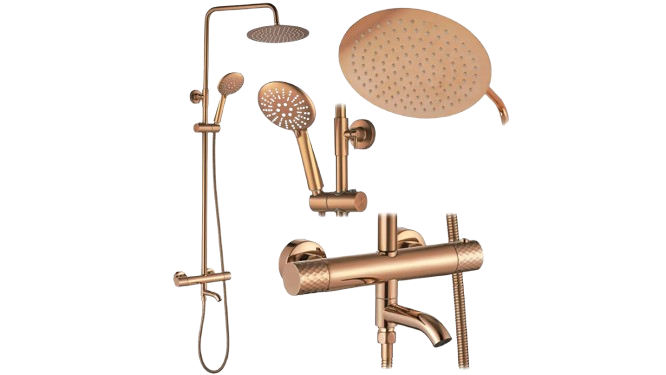
Moroccan copper craftsmanship is rooted in a long history of artistry, trade, and cultural tradition. For centuries, artisans in Morocco have worked with copper to create useful and beautiful objects for homes, markets, and daily life. Today, these handmade creations continue to reflect the country’s rich heritage and exceptional craftsmanship.
Copperworking in Morocco has traditionally been practiced in artisan workshops, where techniques are passed from one generation to the next. These skills are learned with patience and precision. Shaping copper by hand requires experience, attention to detail, and a deep understanding of the material. Each hammer mark, curve, and finish is the result of human skill rather than industrial production.
In Moroccan culture, handcrafted metalwork has always held an important place. Copper items were used in kitchens, baths, tea service, and household decoration. Over time, artisans developed distinctive styles influenced by local architecture, Islamic art, and regional design traditions. This is why many Moroccan copper products feel both practical and ornamental at the same time.
Today, handmade Moroccan copper is appreciated around the world. Customers are drawn not only to its beauty but also to the story behind it. In an age of mass production, artisan-made items offer something more meaningful: authenticity. Every piece carries the hand of the maker and reflects a living tradition that continues to evolve while staying connected to its origins.
Supporting Moroccan copper craftsmanship is also a way of helping preserve cultural heritage. Many artisans depend on this trade for their livelihood, and every purchase helps sustain local workshops and traditional methods. When you buy a handmade copper product, you become part of that story.
From elegant faucets to decorative kettles and custom fittings, Moroccan copper pieces represent more than design. They represent history, identity, and craftsmanship shaped by generations of skilled hands. That is what makes them truly special.